

When shopping every day, you come across a flood of drinks calling out from store shelves. It’s easy to overlook their less visible—yet significant—impact on your teeth. People often focus on proper brushing, regular dental checkups, and professional dental hygiene when it comes to oral health, but how do your favorite drinks affect your teeth?
From refreshing carbonated sodas to seemingly innocent fruit juices, many beverages can erode tooth enamel and influence the overall health of your teeth. Let’s explore key information together to help you protect your smile.
Sugar-Sweetened Beverages
Drinking sugar-sweetened beverages daily can have a significant impact on your dental health. These are drinks with added sugar to enhance their flavor and typically have a high carbohydrate content, which can negatively affect your teeth.
Examples of such beverages include:
- Sweetened carbonated drinks that contain large amounts of sugar
- Iced teas with added sugar
- Energy drinks designed to provide a quick boost through high sugar and caffeine content, which can harm your teeth
- Other sports drinks intended to quickly replenish electrolytes after physical activity
- Sweetened juices and syrups
Tip: All of these drinks can negatively affect children's health, not just their teeth. Obesity, high blood pressure, behavioral changes, sleep disturbances, hyperactivity, and caffeine dependence are just a few examples.
It's important to understand that regular consumption of these drinks increases the risk of tooth decay and other oral hygiene problems. Anyone who wants to protect their teeth should limit their intake of sugar-sweetened beverages and seek healthier alternatives.
There are also recommended sugar intake limits from beverages. For example, the World Health Organization (WHO) recommends that sugar from foods and drinks should not exceed 10% of your daily energy intake, and ideally, should be limited to 5%.
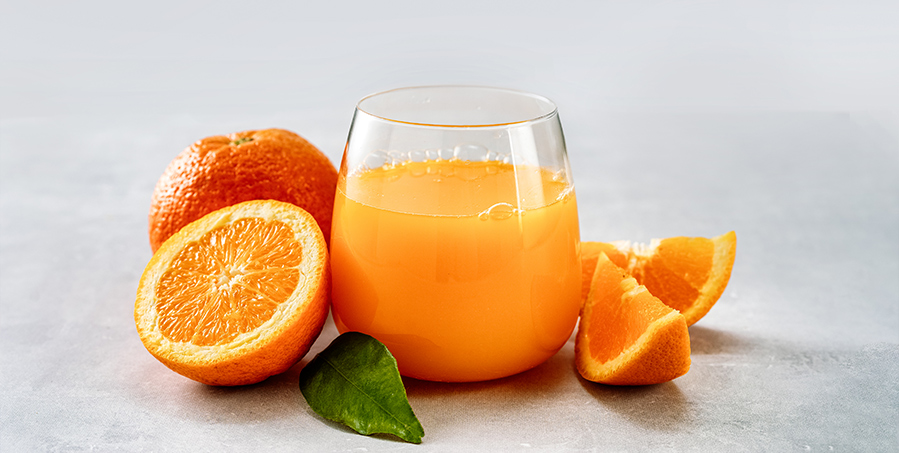
Fruit Juices
Fruit juices are often considered a healthy drink alternative because they contain vitamins and minerals from fruit. On the other hand, fruit juices also contain high amounts of sugar, which can negatively impact your teeth.
Many people believe that the sugars in fruit juices are naturally occurring and therefore healthier. While this is true, it's always important to check if that’s really the case. Today, many fruit juices are enhanced with added sugar to improve their taste.
It's also important not to overlook the acids in fruit juices, which can weaken tooth enamel. Some studies even suggest that acidic beverages may have a greater impact on enamel than drinks with added sugar.
So how can you make fruit juices safer for your teeth?
We recommend checking the label to ensure it is truly 100% fruit juice. Even then, it's best to dilute the juice with water before drinking.
Alcoholic Beverages
If you enjoy a glass of wine after dinner, a beer with lunch, or occasionally indulge in hard liquor, you should be aware that alcohol isn’t exactly a friend to your teeth.
Wine contains acids that can contribute to tooth decay and weaken tooth enamel. The same applies to certain types of beer.
It's also important to mention coloring agents, which can stain teeth. This effect is particularly known with red wine, which contains pigments that may tint teeth red or purple. Some alcoholic cocktails can have a similar effect.
It’s no secret that alcohol contributes to dehydration, which can lead to reduced saliva production. A lack of saliva increases the risk of tooth decay, as saliva helps neutralize acids and wash away bacteria.
If you want to enjoy alcoholic drinks from time to time, we recommend choosing those with a lower sugar content and alternating alcohol with water to keep your mouth hydrated. Of course, regular brushing is essential — especially after consuming alcoholic beverages — as it helps remove harmful substances.
Colored Beverages
Some drinks contain artificial colorings added to enhance the visual appeal of the beverage. Just as we eat with our eyes, we also "drink with our eyes." These may include:
- Cola drinks, often containing caramel coloring to achieve their signature dark hue
- Juices and fruit drinks, especially citrus-based ones, which may include artificial colors for a more vibrant appearance
- Energy drinks
- Iced teas (red, peach-flavored)
- Sparkling drinks
- Cocktails and mixed beverages
Colorings are commonly used in the food industry and often appear on labels as "E numbers" such as E102, E129, or E104. It’s also important to note that even some natural colorings can stain teeth (cause pigmentation spots), although typically to a lesser degree than artificial ones.
If you want to minimize the impact of colorants on your teeth and enamel, the first step is to reduce your intake of these beverages. Regular oral hygiene is also essential. There are also toothpastes designed to remove pigment stains from tooth enamel, but it’s best to consult with your dentist or dental hygienist to choose the right product for your needs.

Coffee and Tea
A cup of coffee or tea — essential companions in the hustle of daily life that many people can’t imagine functioning without. But yes, both coffee and tea can stain your teeth.
Coffee contains dark pigments, especially tannins, which can penetrate the enamel surface and gradually discolor the teeth. The same applies to tea.
Both of these beverages are also mildly acidic, which weakens the enamel. The weaker the enamel, the more susceptible it is to absorbing pigments, leading to quicker tooth discoloration. Regular consumption of coffee and tea can therefore result in gradual staining.
It’s important to note, however, that everyone’s teeth react differently to coffee and tea. Some individuals may even have a genetic predisposition to increased sensitivity to staining.
On the other hand, drinking coffee and tea can also offer positive health benefits. They can stimulate the nervous system, improve alertness, boost energy, and enhance mood. Some studies have even found that regular coffee consumption may reduce the risk of certain diseases, such as Alzheimer’s or Parkinson’s.
Did you know that drinking coffee can cause an increase in blood pressure.
The key to maintaining a healthy, white smile is good oral hygiene and a balanced intake of these beverages.
3 Most Common Risks Associated with Beverage Consumption
Although many people consider drinking various beverages completely harmless, there are several risks associated with their regular consumption. The three most common ones include the development of tooth decay, enamel erosion, and tooth staining.
Enamel Erosion
Tooth enamel is the hard, outer surface of your teeth designed to protect them from damage. Once damaged, it cannot regenerate, making it crucial to protect it.
Acidic drinks and certain foods significantly contribute to enamel erosion. Regular consumption of acidic beverages—such as soda, citrus juices, or energy drinks—can gradually weaken the enamel, increasing tooth sensitivity and vulnerability to decay.
Tooth Decay
Tooth decay begins when the enamel is broken down. Our mouths naturally contain many types of bacteria, and these bacteria thrive on sugars found in both food and drinks.
When sugars and starches come into contact with these bacteria, they produce acids that form plaque on the teeth. Over time, these acids demineralize the enamel by stripping away essential minerals like calcium and phosphorus. As the enamel becomes weaker, bacteria can penetrate deeper into the tooth, leading to cavities.
Tooth Discoloration
Coffee, tea, red wine, cola, and even fruit juices are known to stain teeth. While these beverages may be part of your daily routine or bring you joy, frequent consumption can negatively impact the appearance of your smile.
To minimize these risks, it’s important to maintain proper oral hygiene, limit the intake of sugary and acidic drinks, and visit your dental hygienist regularly.

How to Protect Your Teeth
So how can you protect your teeth from the risks associated with drinking various types of beverages? To keep your teeth in the best possible condition and minimize the chances of damage, it's important to take a few key precautions:
- Drink plenty of water – Water is the best choice for staying hydrated and helps rinse away food and beverage residues from the mouth.
- Limit the intake of sugary and acidic drinks – These contribute to enamel erosion and tooth decay.
- Brush your teeth after consuming sweet or acidic beverages – This helps reduce the impact of sugars and acids on your enamel.
- Use a straw – Drinking through a straw can help limit the contact of beverages with your teeth.
- Practice regular oral hygiene – Brush your teeth at least twice a day with fluoride toothpaste and a soft-bristled toothbrush.
- Use dental floss and interdental brushes – These tools help remove plaque from areas that toothbrushes can’t reach.
- Attend regular dental check-ups – Preventive exams are essential for spotting and addressing problems early.
- Avoid tobacco products – These can stain your teeth and significantly harm your gum health.
- Eat a healthy, balanced diet – Foods rich in vitamins and minerals support your overall oral health and help strengthen your teeth and gums.
By adopting these habits, you can maintain a brighter smile and stronger, healthier teeth for years to come.
Alternatives and Healthier Drinks for Your Teeth
It might seem like every drink is harmful to your teeth—but don’t worry, there are plenty of healthier options that are both tasty and tooth-friendly.
First and foremost, water is the best choice—not just for your teeth, but for your entire body. It contains no sugars, calories, or artificial colorings and helps rinse away food particles and bacteria from your mouth.
Another great option is green tea, which contains antioxidants beneficial for oral health and has a lower staining potential compared to popular black tea. You might also consider white tea or herbal teas, which are gentler on your teeth.
Milk is also safe to drink, as it contains calcium and phosphorus, both of which support strong teeth and help neutralize acids in the mouth.
Other good options include coconut water, diluted apple cider vinegar, or homemade fruit juices, where you can control sugar and avoid artificial colorings.
Conclusion
In today’s fast-paced world, we all enjoy a variety of beverages to stay refreshed. But it’s essential to be mindful of their effects on your teeth. While drinks like coffee, tea, soft drinks, and fruit juices can bring joy, they also pose risks like enamel erosion, cavities, and staining.
To minimize these risks, adopt simple habits like regular oral hygiene, reducing sugary and acidic drink intake, and choosing healthier alternatives like water or tea.
And don’t forget regular dental check-ups—they’re key to maintaining a healthy smile.
Be mindful of what you drink and protect your teeth. Making informed choices about beverages can help you maintain a bright and healthy smile for years to come.